The first goal is an unbroken chain of evidence: you → parents → grandparents → great-grandparents. One unchecked link can send the search towards a different family.
1. Gather the papers gathering dust
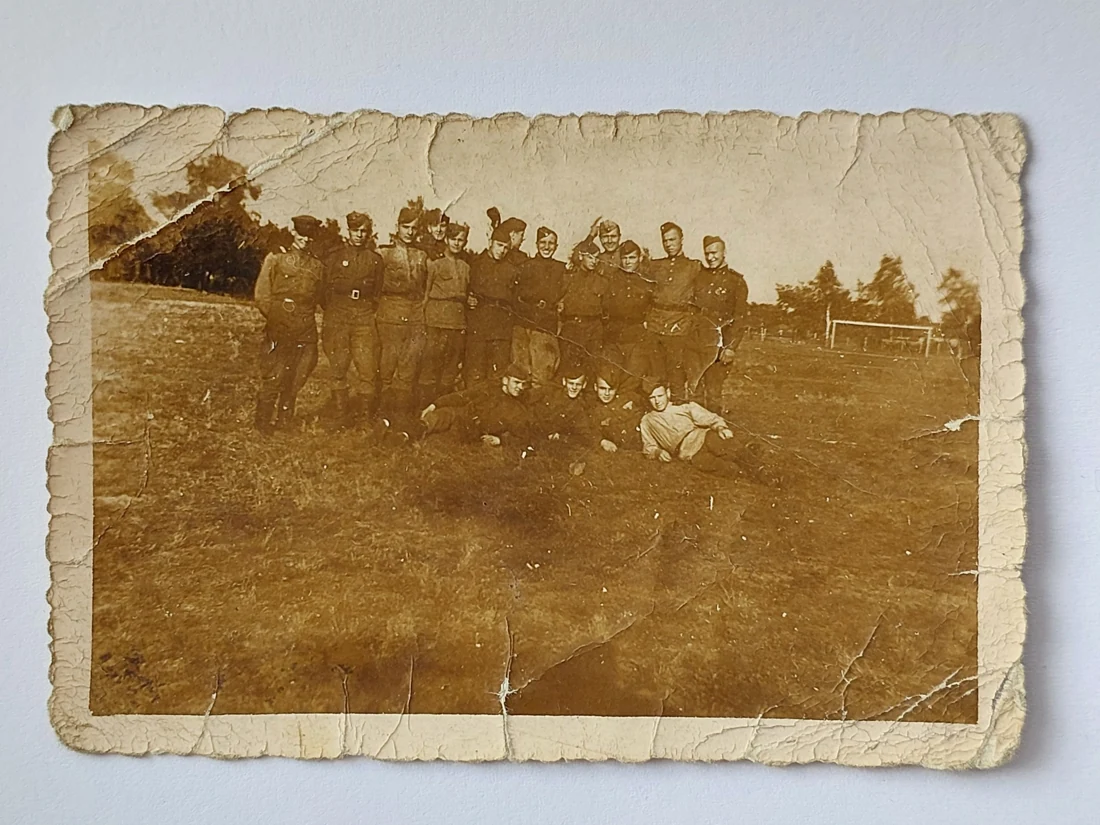
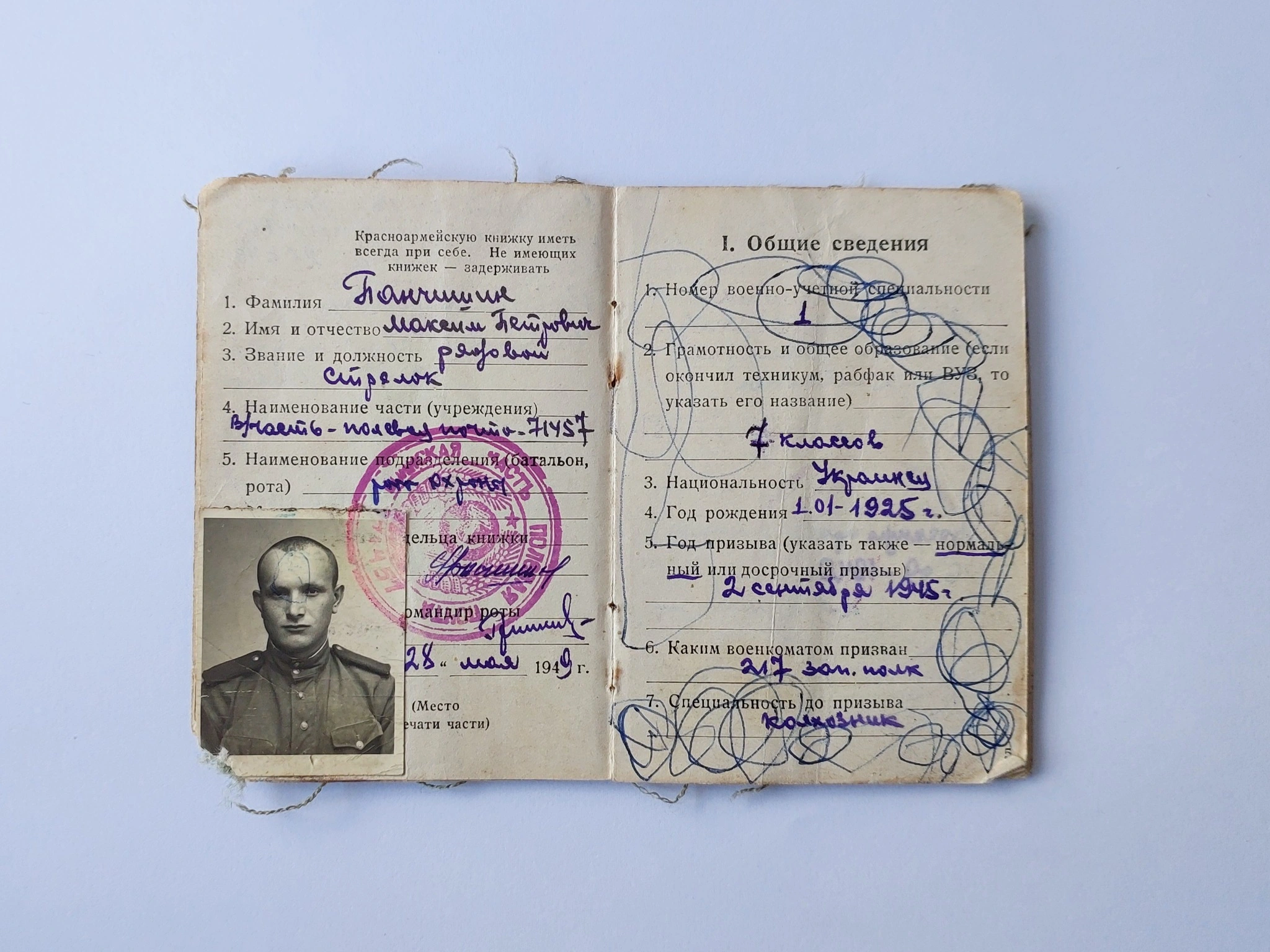
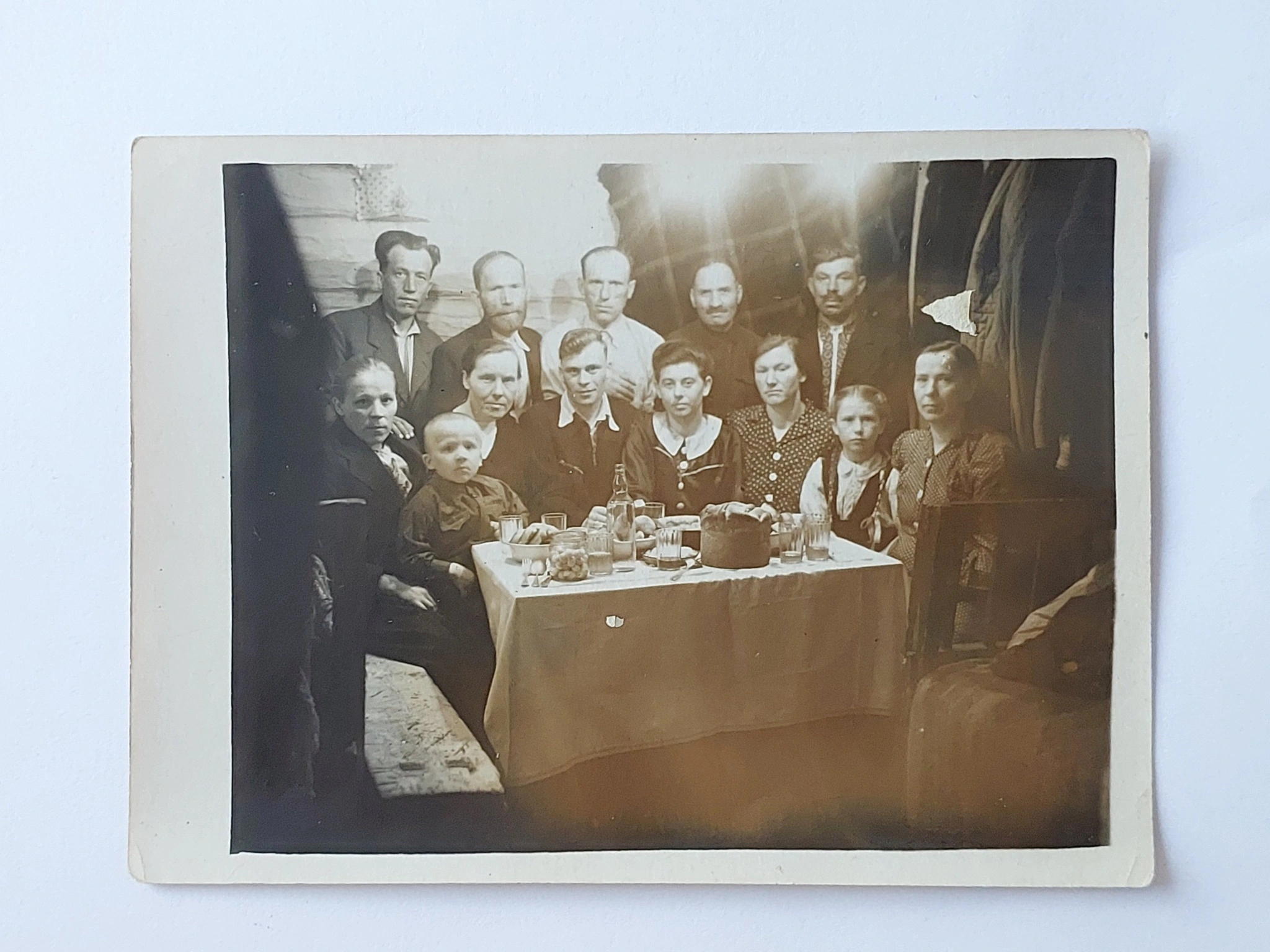
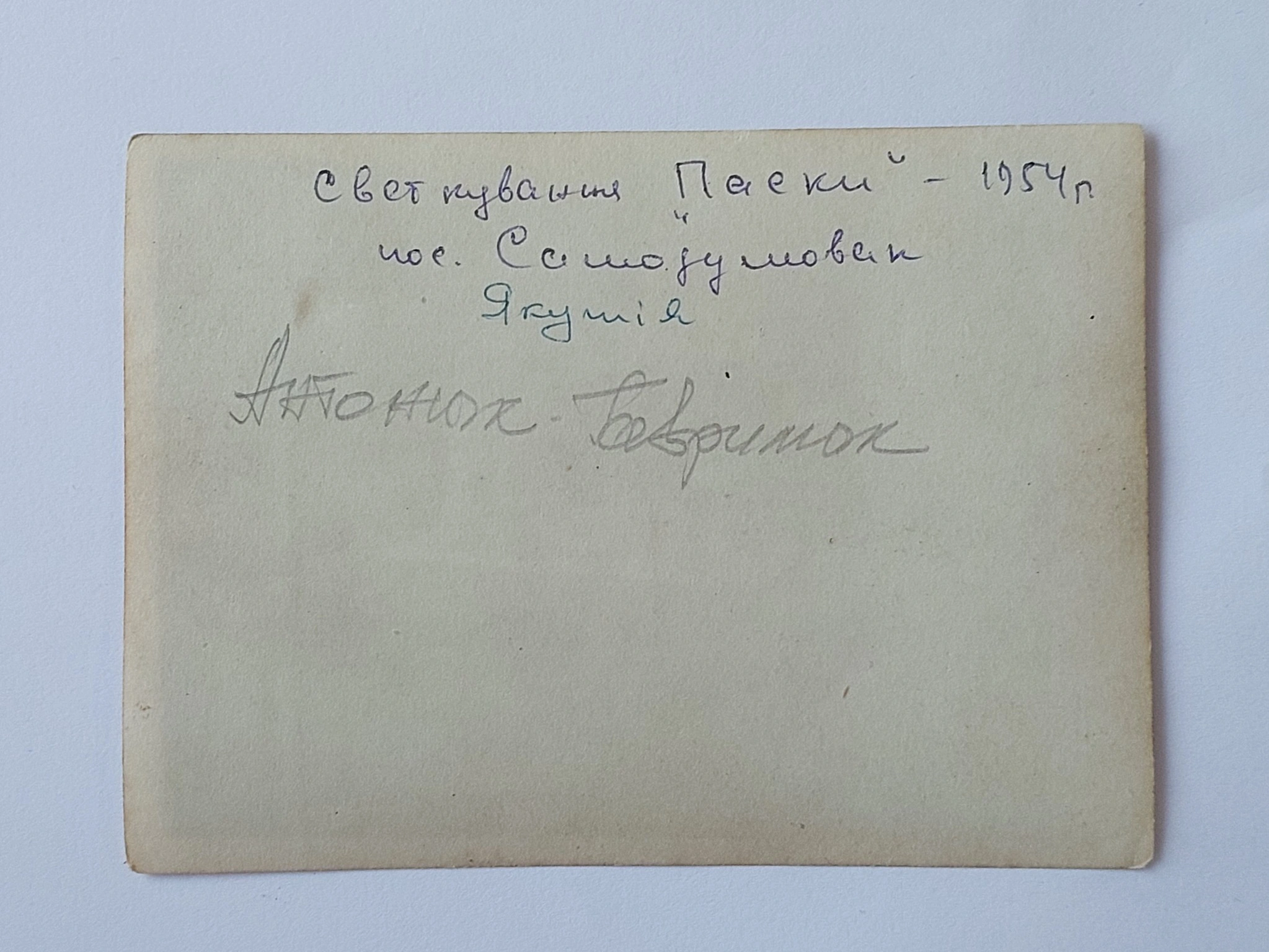
Start with the family drawer: certificates, old passports, employment and military booklets, diplomas, letters, death notices and photographs. Check the backs of photos for dates, towns and relatives’ notes.
Sort the materials by person. Make a short record for each: full name, maiden name, dates, places, close relatives and source. Mark a date recalled in conversation as “reported”, rather than “confirmed”.
2. Build a chain through civil records
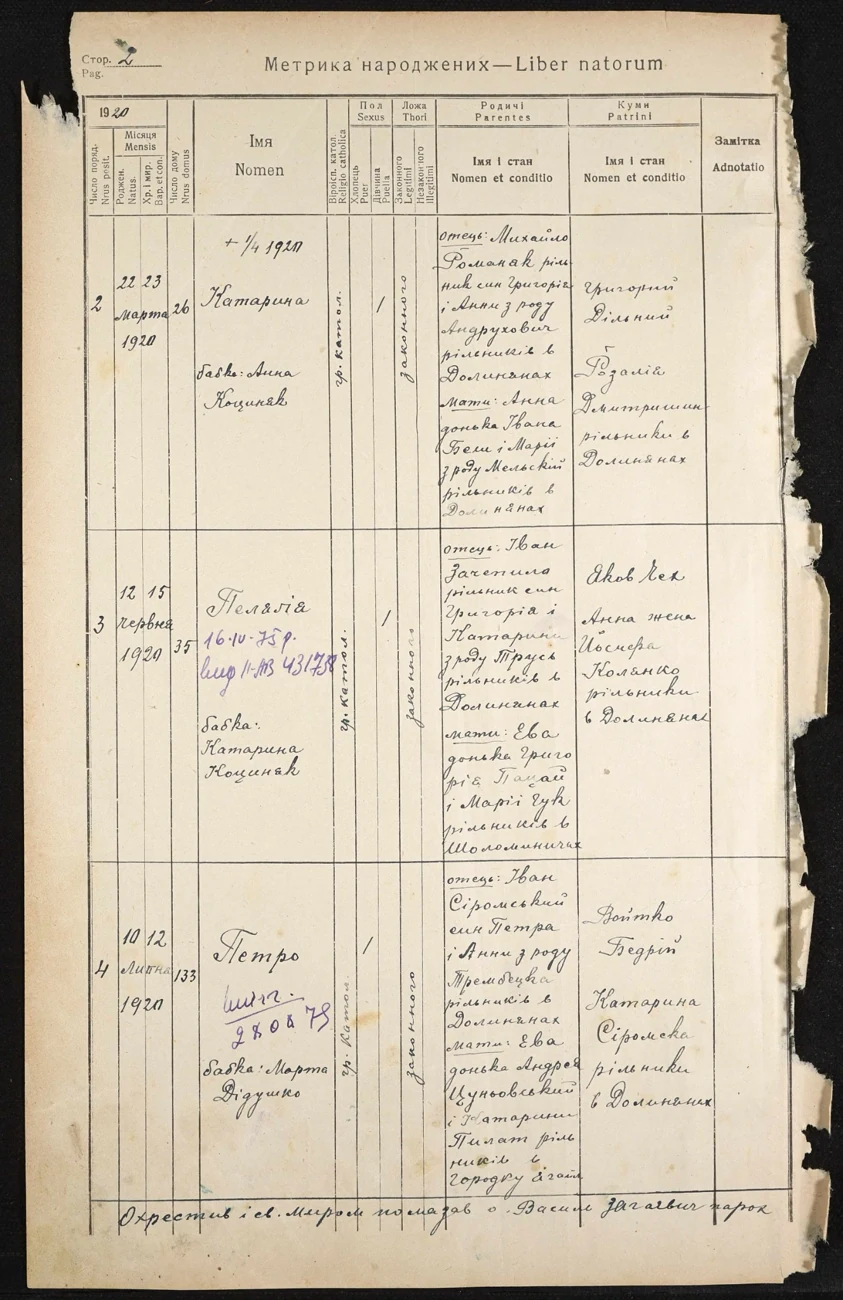
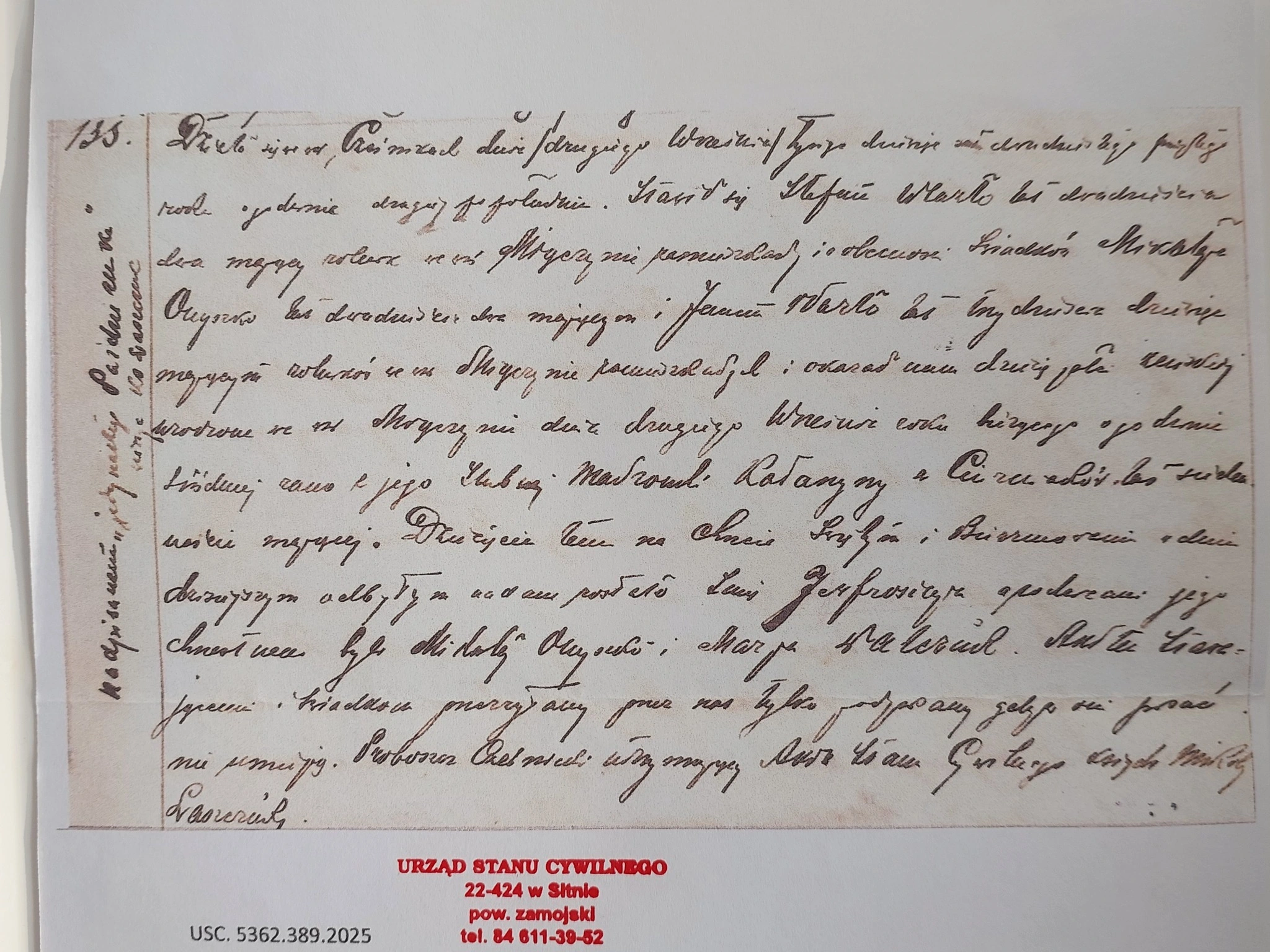
A birth entry names the parents; a marriage entry explains a surname change; a death entry records age and place. Together they help establish relationships between successive generations.
More recent civil records are usually requested from Ukraine’s civil registry offices; entries over 75 years old are checked in the regional state archive. A register may cover several years and may not yet have been transferred. In 2026, 1951 is only an approximate guide to this boundary: the exact entry date and actual transfer matter. Seventy-five years is a storage guideline, not an automatic right of access. For a relative’s record, prepare the appropriate application, identification and evidence of relationship required in your case. For example: your birth certificate → a parent’s birth certificate → a grandparent’s record, adding marriage certificates where surnames changed. Confirm your eligibility for the specific extract or replacement certificate and the full list of supporting documents with the registry office.
3. Ask about passport applications: Form No. 1
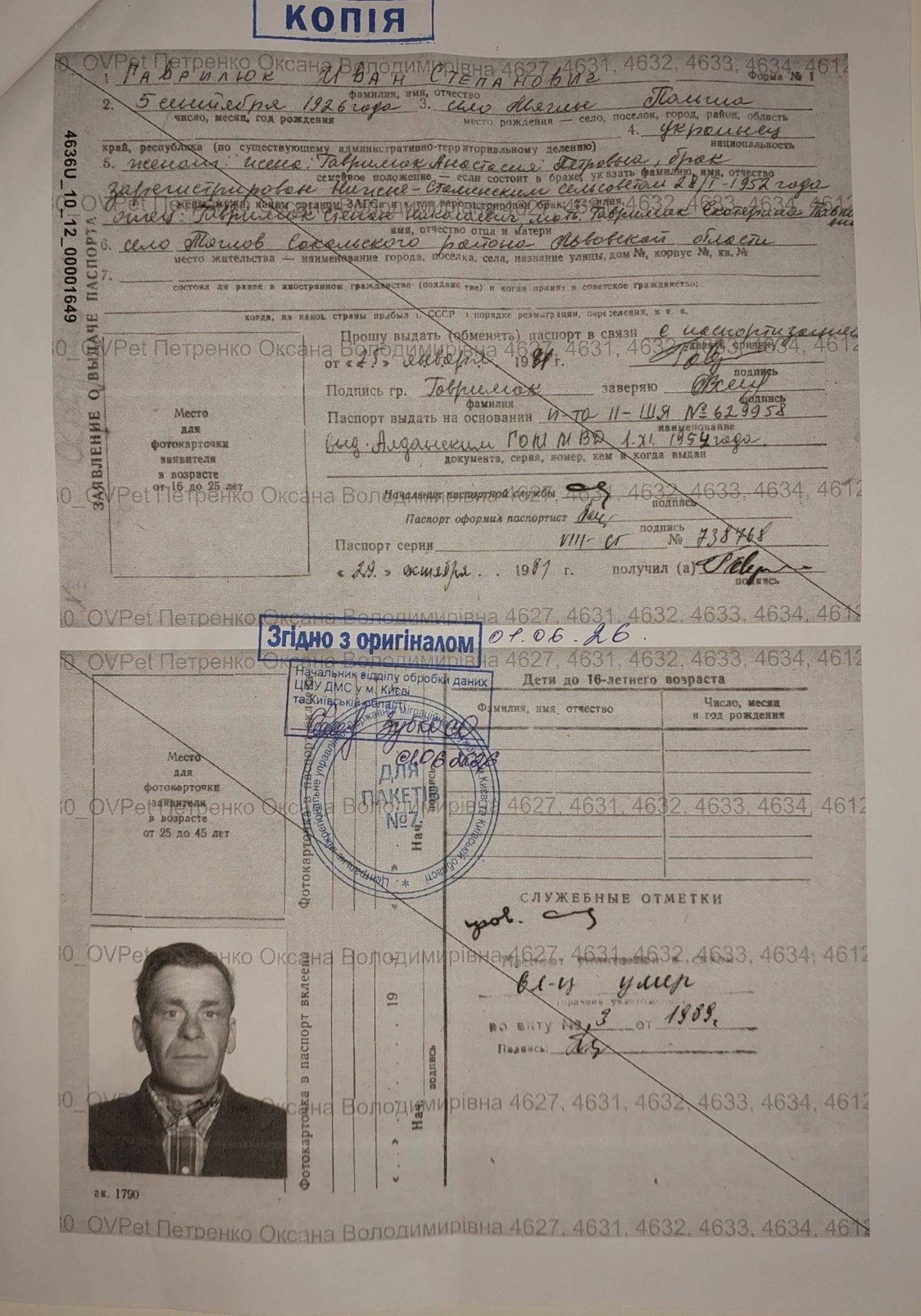
Form No. 1 is the application used to issue a passport. Depending on the period, it may include a photograph, birth details, address, marital status, previous passport and supporting documents, sometimes also ethnicity. It can therefore provide valuable evidence of a person’s origins.
Start by asking the territorial office of Ukraine’s State Migration Service where the passport was issued whether the application survives, who holds it and what grounds are required for access. Collections may have been centralised or lost. Form No. 1 is a possible source, not a guaranteed discovery.
4. Look for rural household and urban house registers
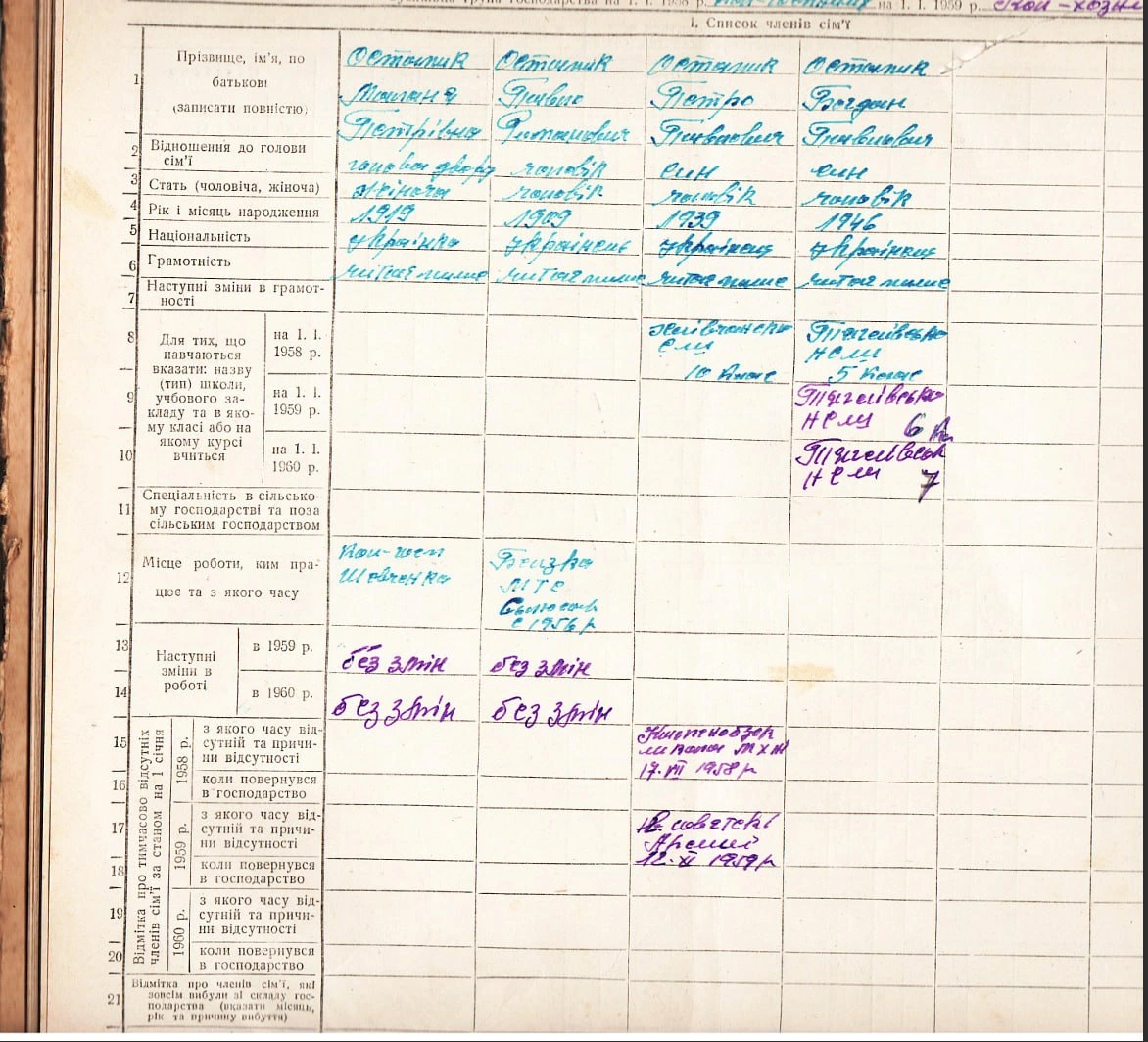
Rural household registers name family members, birth years or dates, relationships, arrivals and departures. Urban house registers and resident cards link a person to an address and may show where they moved. Ask the local community authority, municipal archive or regional archive; if they do not hold the records, ask where the collection was transferred.
5. Check repression, wartime and personnel files
The Ukrainian projects Rehabilitated by History and Ukrainian Martyrology of the Twentieth Century may give a year, place, arrest date and file number. Then look for the file itself: questionnaires may name relatives and addresses. Access to Soviet repressive-agency records is governed by a special law; confirm the specific conditions with the archive. Also check military and personnel records, evacuation, forced labour, repatriation and filtration files.
6. Move back to nineteenth-century records
In central, eastern and southern Ukraine, Soviet records lead back to 1917–the 1920s, then to church registers and population lists. In Galicia, post-1944 records lead to interwar Polish materials and then Austrian parish registers and cadastral records from before 1918. These dates are guides: an individual book may span a change of government. For Bukovyna and Transcarpathia, account for different borders and languages.
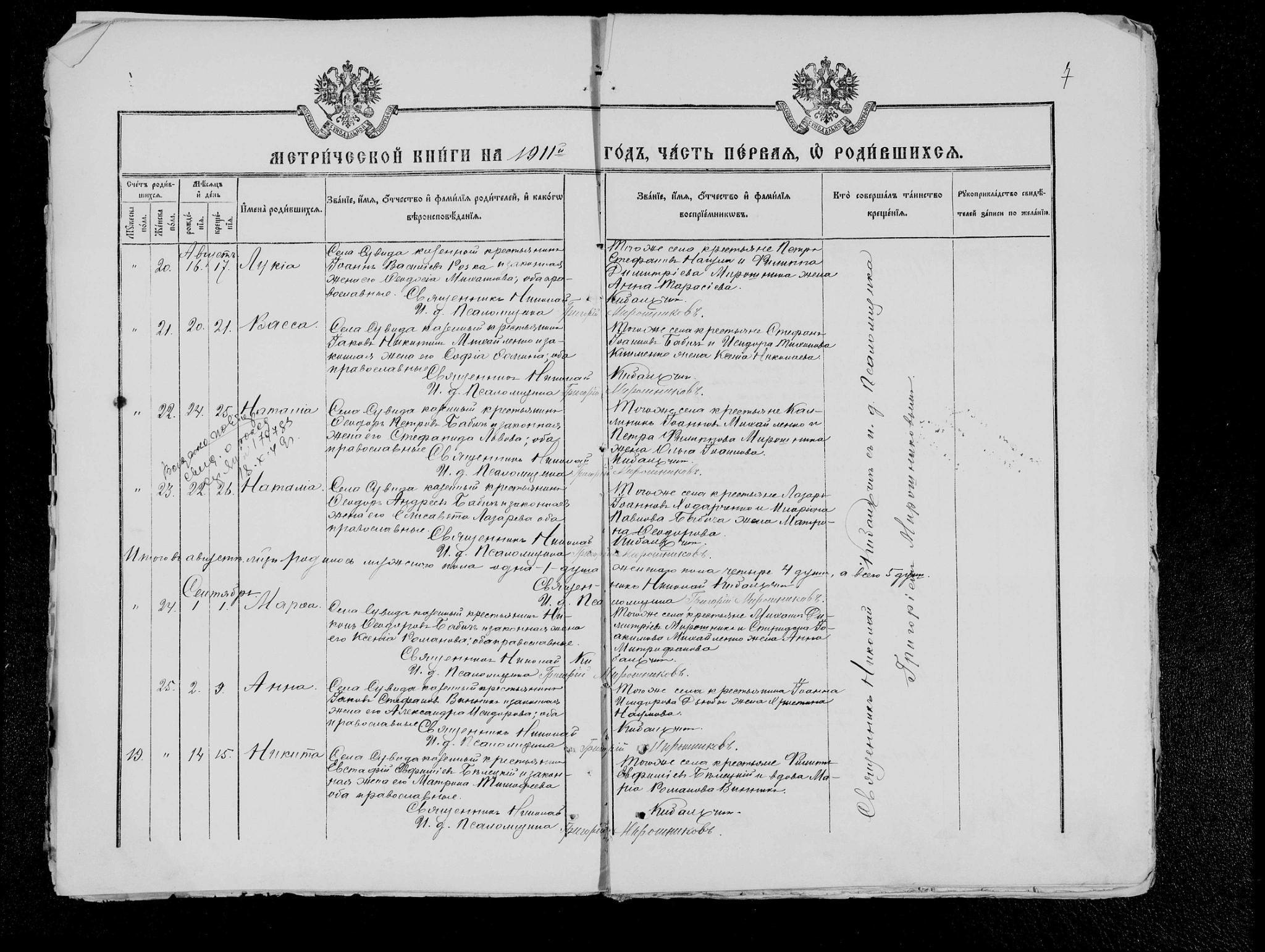
A practical link: the Babych family of Suvid, from 1935 to 1911
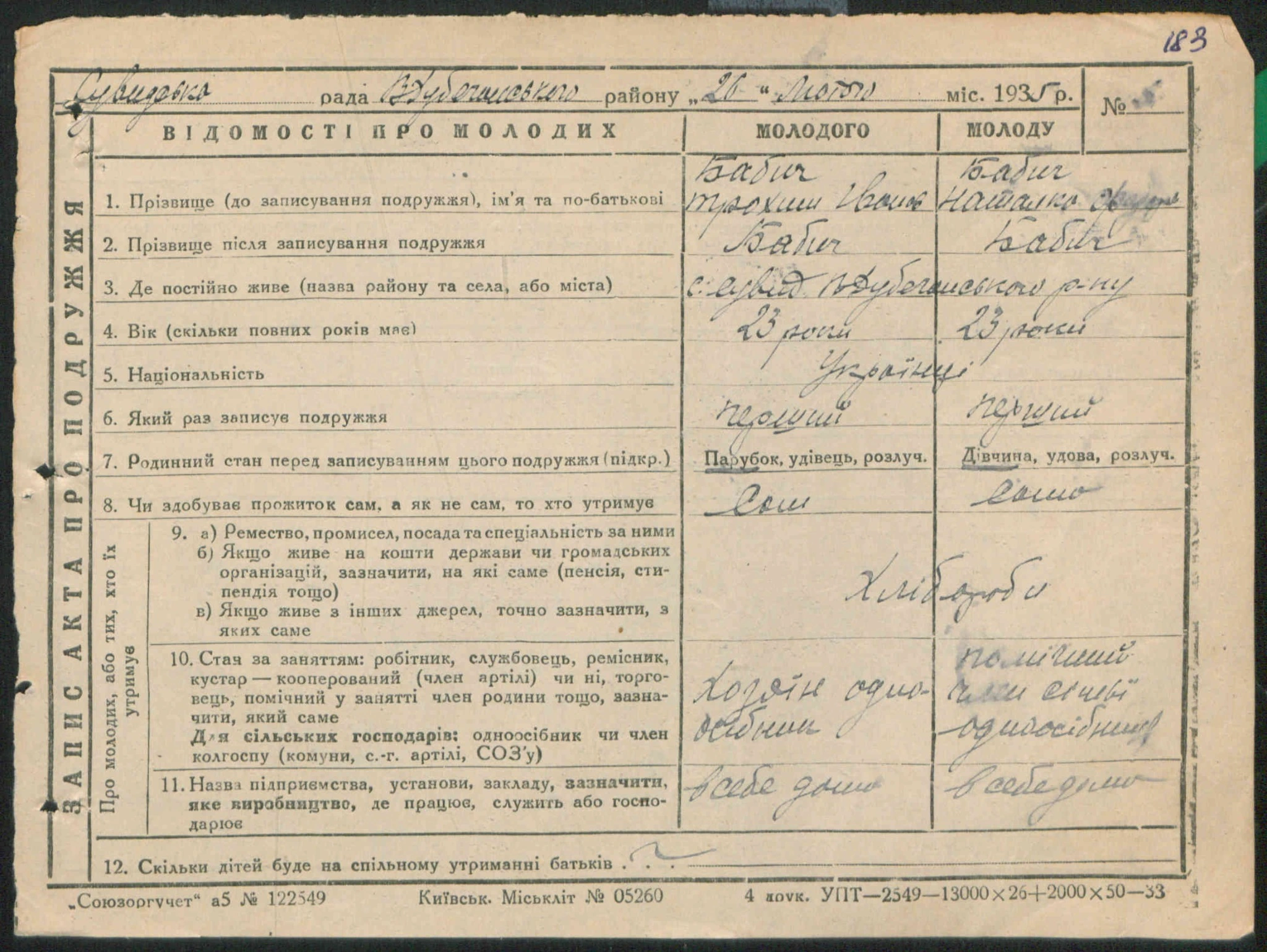
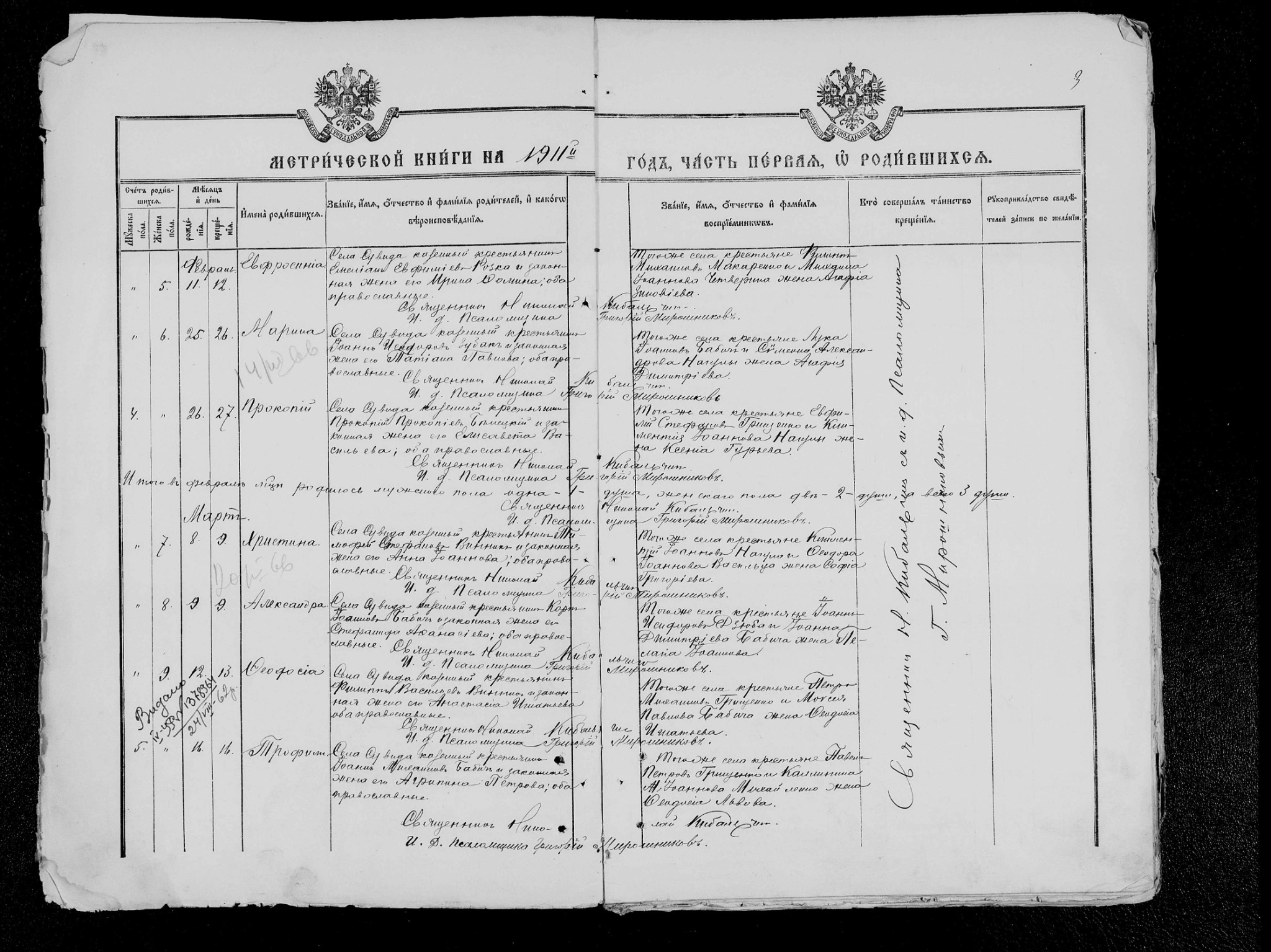
The marriage entry of Trofym Ivanovych and Nataliia Fedorivna Babych, dated 26 February 1935, is the starting point. We compare the couple’s details with their 1911 parish birth entries. This takes the search from Soviet civil registration to church books of the Russian Empire, then towards their parents’ generation and nineteenth-century sources.
In the birth entries, check names, patronymics, dates, locality and parents. A shared surname alone does not prove a relationship: every link between documents requires comparison.
A simple plan for your first week
Scan the family documents and interview your oldest relative.
Choose one person, one event, an approximate year and a locality.
Prepare one focused application to the institution holding the document. For a Ukrainian civil registry office, this means a properly completed request for the relevant extract or replacement certificate. Confirm the document type, your eligibility and the required attachments; include the person’s full name, event, date or year range and place. For an archive or migration office, check its application and access procedures.
Do not request everything at once: each discovery refines the next enquiry. If the chain breaks, a genealogist can help with a focused search.
Need a next step for your own family?
Tell me who you are looking for and where the search has stalled. We will assess the possibilities and identify the sources needed.
Discuss your researchWhere to check sources and access rules
- Diia Guide — applicants and documents for Ukrainian civil registry extracts ↗
- Central State Historical Archives in Kyiv — finding aids and digital records ↗
- State Archival Service of Ukraine — enquiry types and civil record searches ↗
- Ukrainian Institute of National Memory — access to repressive-agency archives ↗
Illustrations and captions come from the supplied family and research materials. Check the holding institution and access conditions for each individual document.