
Work from what is known to what is unknown, one generation at a time. Do not jump straight to the eighteenth century before confirming your great-grandparents’ names.
1. Answer three questions
Before opening archive websites, write down who you are looking for, where they lived and when they may have been born, married or died. An approximate year can be enough to start, but the locality is crucial; if it is unknown, look for clues first. The same surname may occur in dozens of villages, making a search for everyone with that name across Ukraine rarely productive.
Who: full name, possible surname variants and a woman’s maiden name.
Where: village or town, district and region; parish or church if known.
When: the event year, allowing two or three years on either side.
2. Check what you already have at home
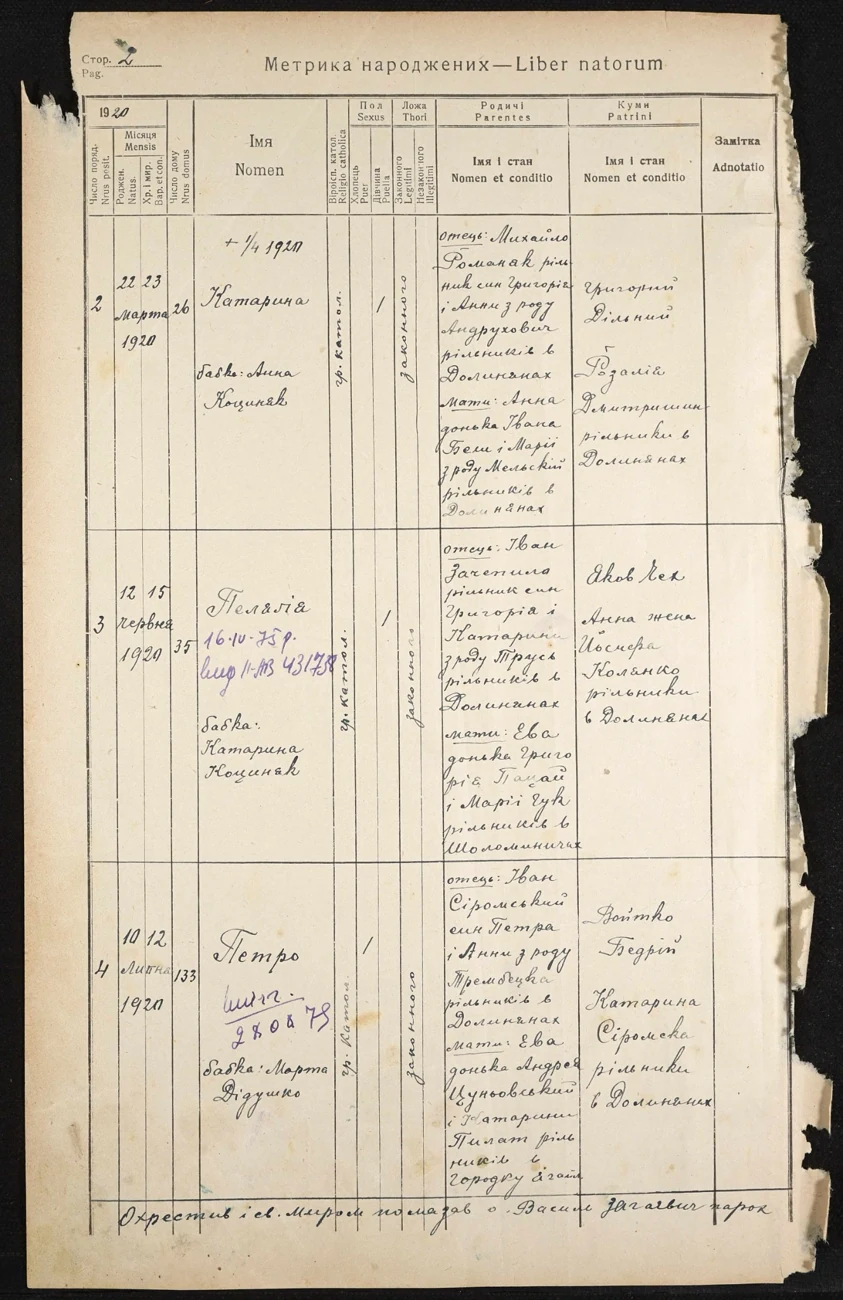
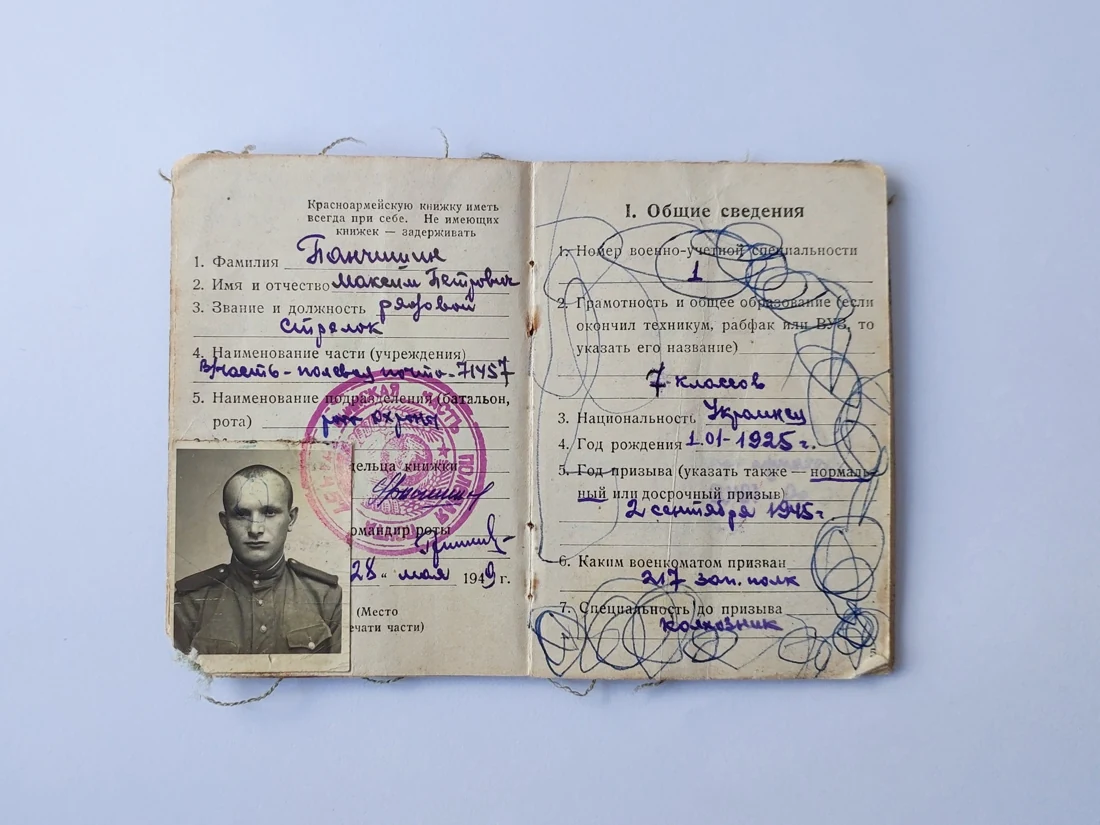
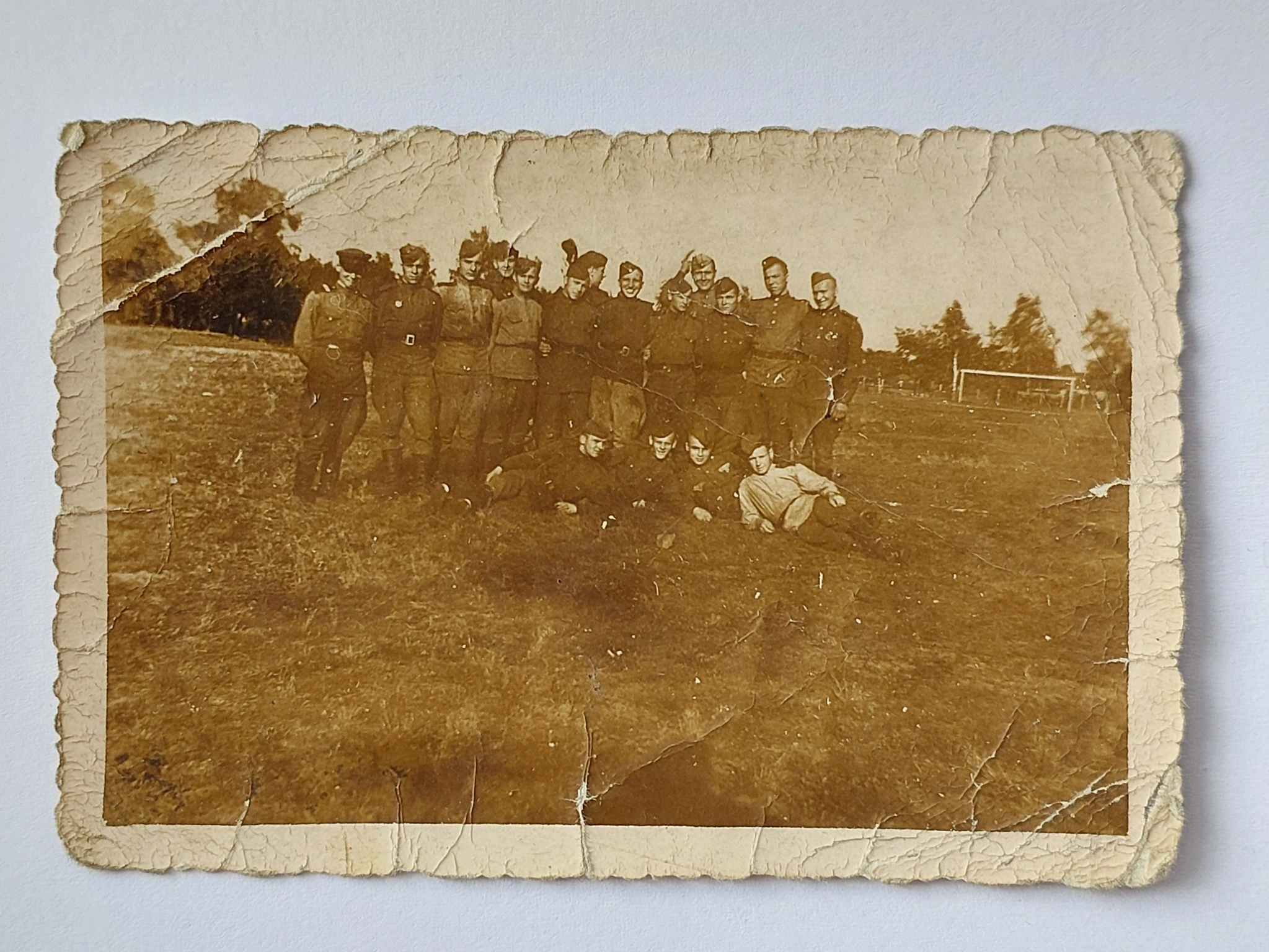
Talk to your oldest relatives and review family papers. Certificates, old passports, employment and military booklets, diplomas, letters, death notices and photo captions often reveal more than a first archive enquiry. Record nicknames, former addresses, workplaces, military units and moves as well as dates.
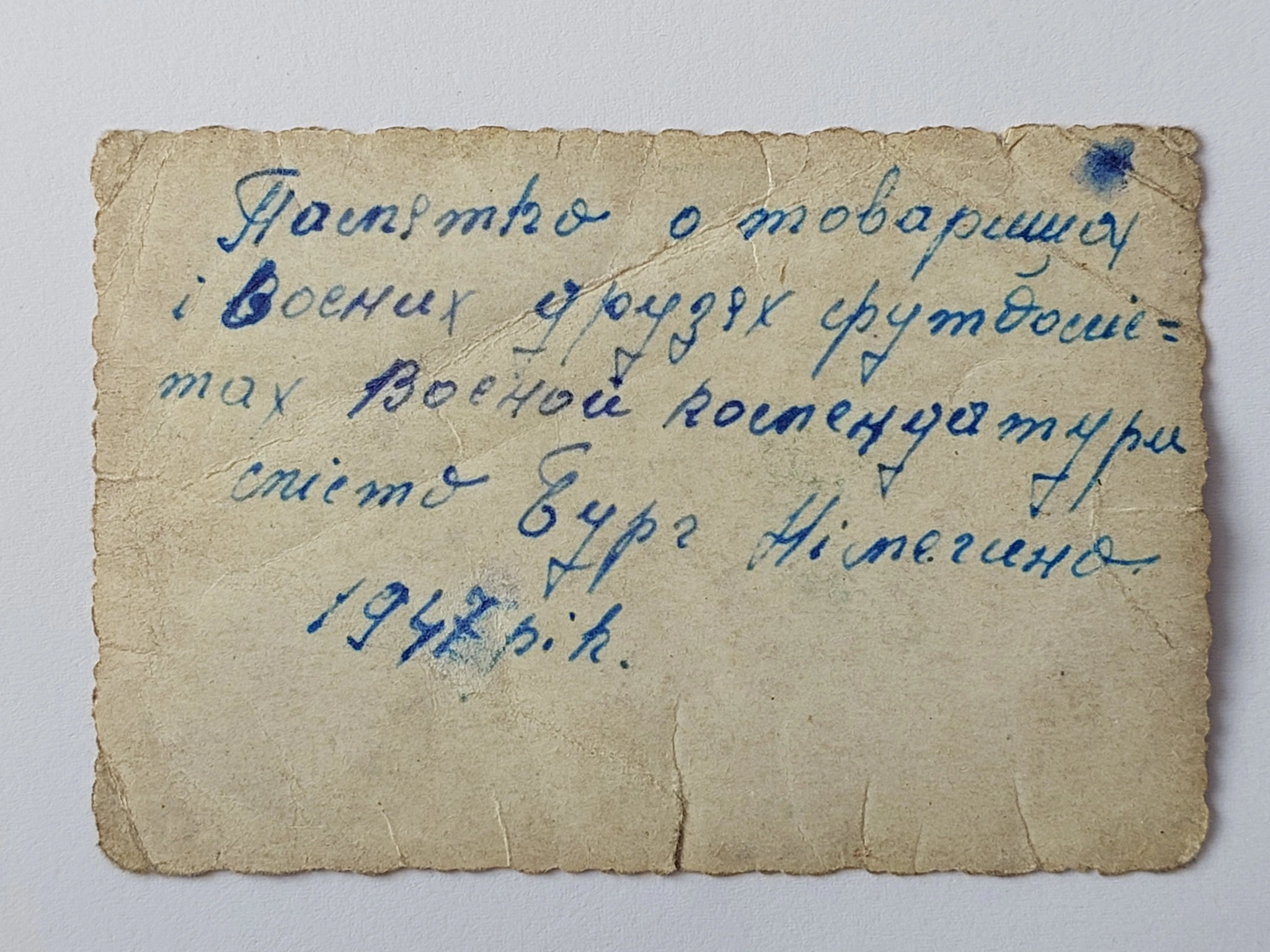
Photograph the whole document and important details separately. Keep stamps, margins and the reverse: they may contain a record number, place of issue or an old place name.
3. Identify the institution by date and place
More recent birth, marriage and death records are usually sought through Ukraine’s civil registry offices. For entries over 75 years old, check the relevant regional state archive. This is a guide to where a record may be held: a register may span several years or not yet have been transferred. If unsure, ask both institutions. Civil registry access to a relative’s records requires a formal application and lawful grounds; identity and relationship documents may be needed depending on the record and applicant.
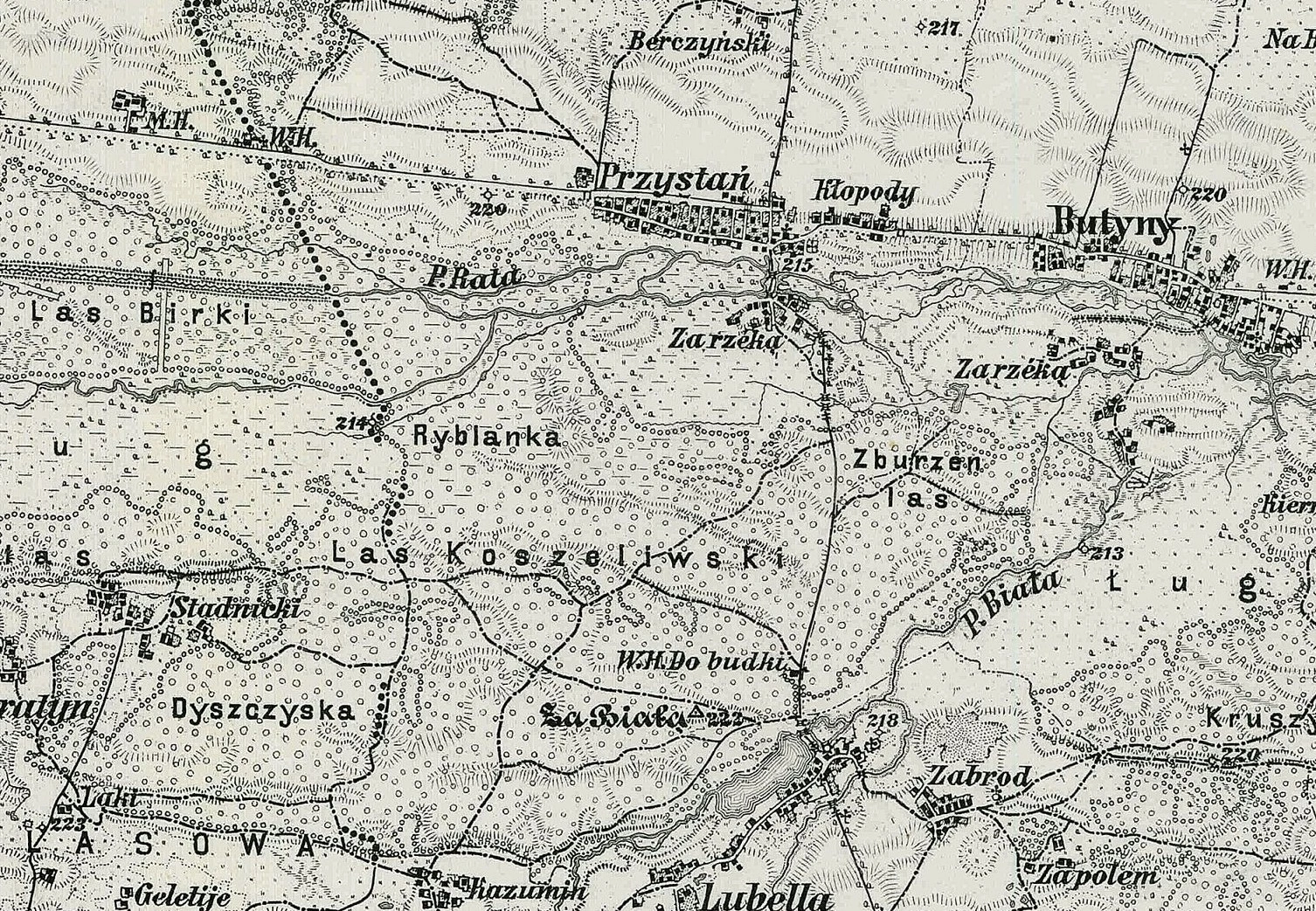
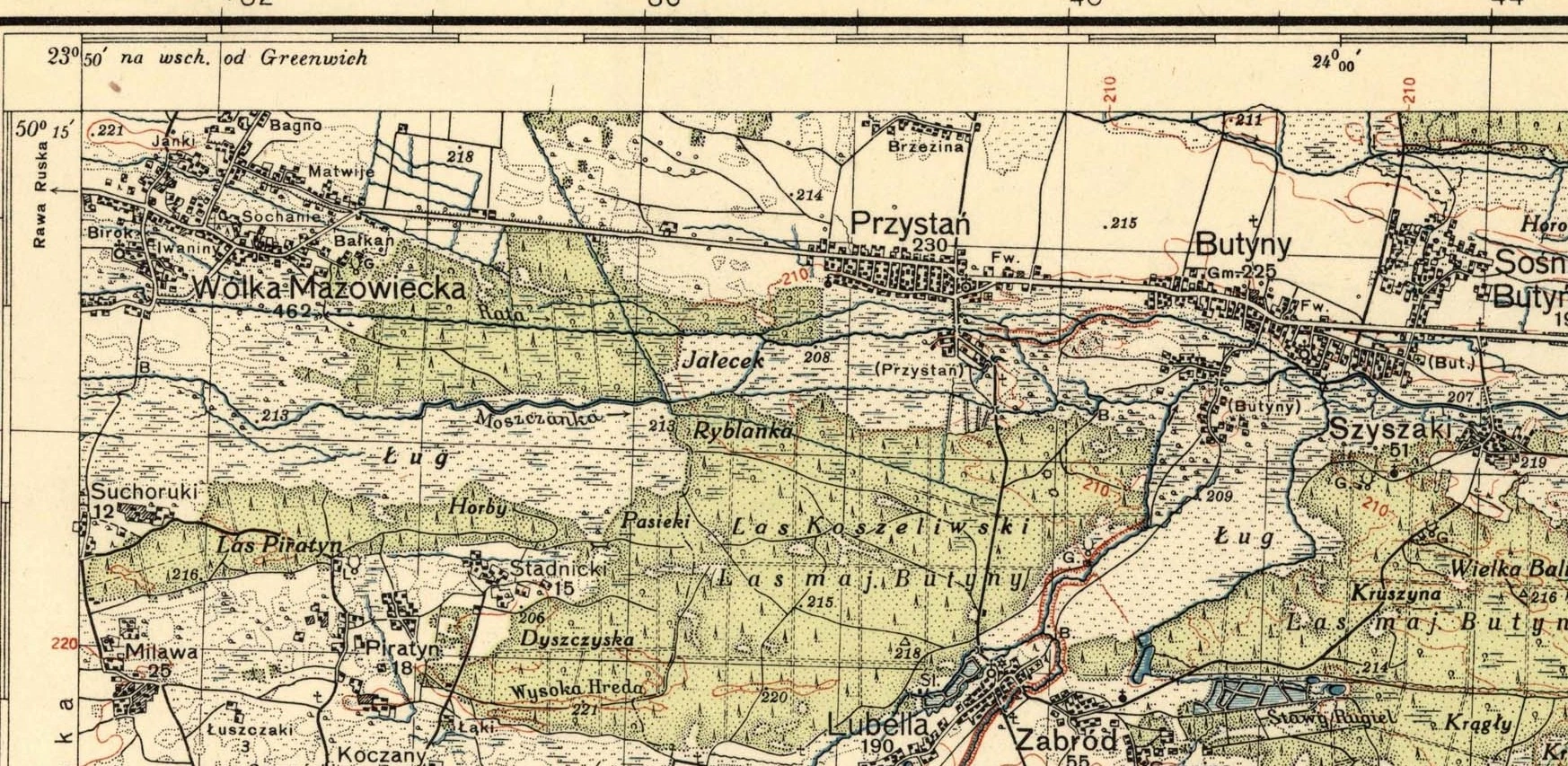
For older records, the settlement’s administrative boundaries at the time matter more than its present-day region. Records from central, eastern and southern areas may be in regional archives or the Central State Historical Archives of Ukraine in Kyiv. Galician materials are often sought in regional archives and the historical archive in Lviv. For Bukovyna and Transcarpathia, consider the Austrian, Romanian, Hungarian and Czechoslovak periods.
4. Search catalogues as well as names
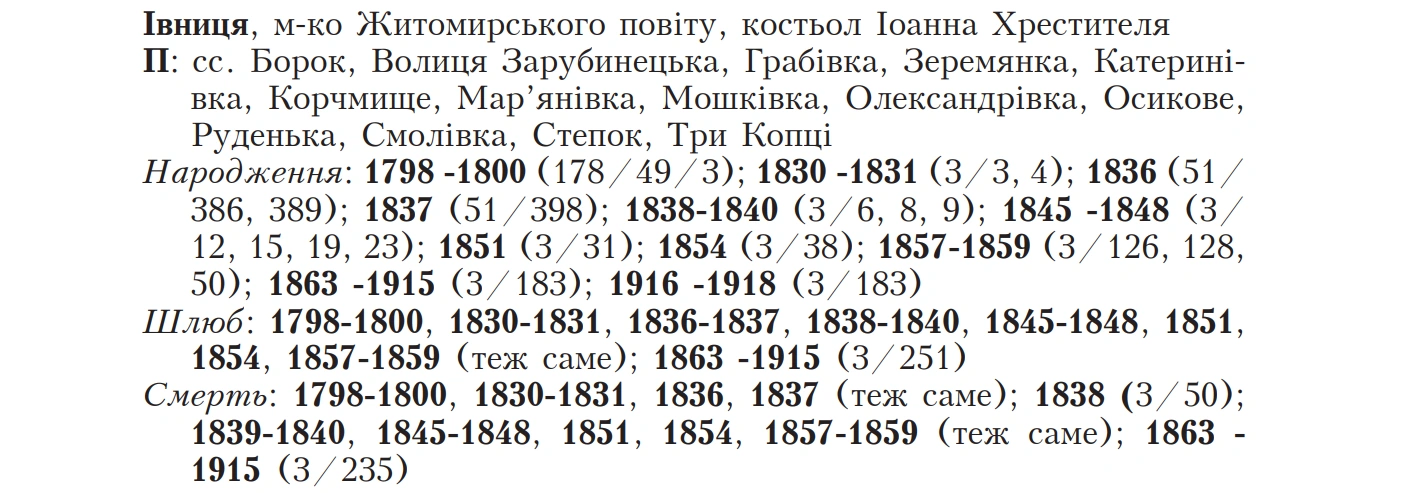
Some files are available on state archive websites, Archium and FamilySearch, but many scans have no name index. A surname search may return nothing even when the book is online. Search by village, parish, denomination and year, then browse the pages manually.
Record the three main archival coordinates: collection (fond), inventory (opys) and file (sprava). These are the document’s address. Add the folio or image number when you find an entry so that you or another researcher can return to it.
5. Write a focused, clear enquiry
An archive can respond more readily to “find Mariia Bondar’s birth, around 1898, village X, parish Y” than to “find my family tree”. Give known name variants, an approximate year, place, religion and close relatives. Specify whether you need an archival certificate, an extract or a digital copy.
6. Keep a research log
For every check, record the source, years reviewed and result, even when nothing is found. Negative results prevent you from searching the same book again a month later. Treat other users’ online trees as leads until every connection is supported by a document.
Aim to finish the first stage with one confirmed person, one event and one precise place. A single civil or parish record often reveals the parents’ names and leads to the next generation.
Need a next step for your own family?
Tell me who you are looking for and where the search has stalled. We will assess the possibilities and identify the sources needed.
Discuss your researchWhere to check sources and access rules
- Diia Guide — applicants and documents for Ukrainian civil registry extracts ↗
- Central State Historical Archives in Kyiv — finding aids and digital records ↗
- State Archival Service of Ukraine — enquiry types and civil record searches ↗
Illustrations and captions come from the supplied family and research materials. Check the holding institution and access conditions for each individual document.